How Rising Raw Material Prices affects the Furniture Industry
The pandemic has affected numerous industries, namely F&B, tourism, hospitality and aviation. What many might not know about is how the pandemic has taken a toll on the furniture industry as well. We cover some of key features about the raise in freight and changes due to COVID-19. As a leading sofa manufacturing company, learn about how Urban Living is taking steps to mitigate market volatility.
Many manufacturers have been compelled to halt or even shut down manufacturing lines as a result of COVID-19, reducing the amount of stock produced. A global shortage of furniture raw materials has surfaced as a result. Customers are starting to notice as they seek to buy new items for their homes and discover that major suppliers have completely sold out.
1) Raw material costs have increased
Raw material costs have risen as a result of the furniture raw material shortage. Polyurethane foam was subject to product shortages in late 2020 and is now only accessible at a record-high prices. Other furniture raw materials includes springs, fabrics, board materials, mechanisms, feathers, fibre and packaging goods — have all been increasing, making it difficult to set prices due to a constant flux in costs.

2) Rising freight and shipping costs
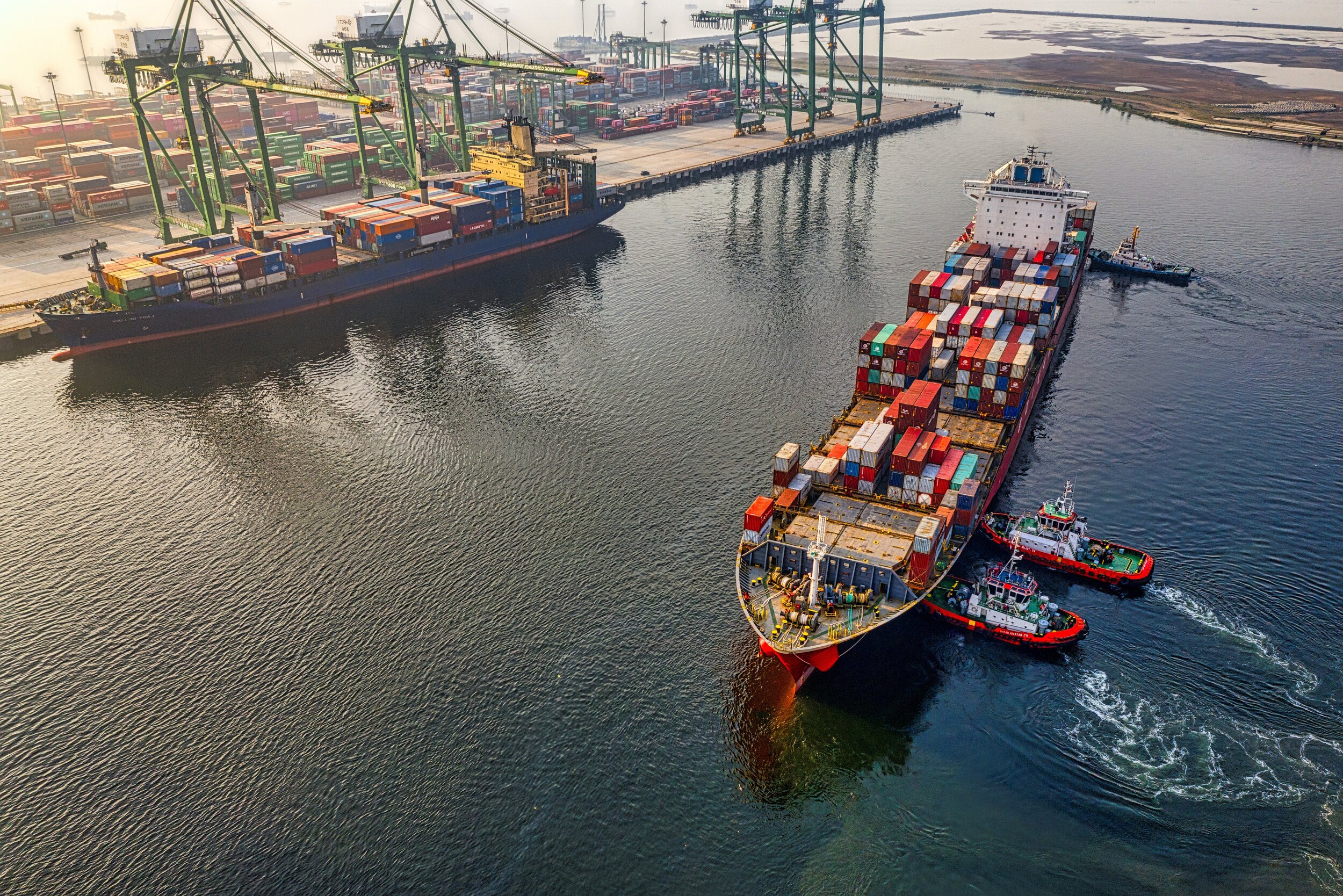
A global shortage of shipping containers has resulted in a five-fold surge in container rates in the last year. As a result, furniture makers have had to raise their prices. Due to a lack of alternatives to sea freight, it is difficult to prevent rising transportation expenses. Currently, capacity is restricted, and tariffs have risen. Freight prices have risen from roughly 5% of sourcing costs, to more than 20% for shipments of lesser value products. Price rises or changes in product availability may be the first signs of the effects on consumers. As manufacturers have to pay more expenses, the cost of the product rises as well to offset inflation.
3) Container price increases
Containers now cost an upwards of $10,000 per piece, compared to anywhere between the low and mid $3,000 range in past years. As the months have progressed, some businesses have been forced to levy temporary surcharges. Given how much container rates have climbed recently, some argue that this may not be enough. Container rates are also factored into the costs of shipping completed raw materials such as metal, glass, and hardware. To add on, container freight for metals have increased by double.